
Across the United States, an alarming pattern is emerging inside school hallways, classrooms, and even online learning platforms—students are burned out. Not just tired, not just stressed—burned out, in the psychological sense researchers traditionally used to describe overwhelmed adults in high-pressure jobs. Now, teens are reporting similar symptoms at unprecedented rates. According to the Centers for Disease Control and Prevention, 42% of high school students experienced persistent sadness or hopelessness in 2021, the highest number the agency has ever measured. Mental health professionals warn that without intervention, student burnout could become one of the defining crises of this generation.
While burnout is often invisible—masked by perfect grades, busy schedules, or a “grind” mentality—it quietly erodes students’ motivation, wellbeing, and academic performance. Teachers report more incomplete assignments, more fatigue, and more emotional breakdowns. Students say they feel like they’re trapped in a cycle of pressure with no off switch.
And within many schools and communities, the same questions remain: How bad is the problem? What’s causing it? And what, if anything, can be done to fix it?
What Exactly Is Student Burnout?
Burnout is a psychological state defined by three main components: exhaustion, detachment, and a reduced sense of accomplishment. Once considered a workplace issue, burnout is now widely recognized as a threat to teens.
The American Psychological Association reports that academic pressure is the number one source of stress for teens in the United States—often surpassing stress levels reported by adults. Burnout in students typically consists of: chronic fatigue (even after rest), increased irritability, declining grades, emotional numbness, skipping assignments due to feeling overwhelmed, and feeling like schoolwork is “pointless”.
Many students push through these symptoms for months. By the time burnout becomes severe enough to recognize, the damage is already done.
A Problem Getting Worse, Fast
Multiple large-scale studies show that student wellbeing has sharply declined—especially since the pandemic. The CDC Youth Risk Behavior Survey showed that 42% of students felt persistently sad or hopeless, and that nearly 1 in 3 teen girls seriously considered attempting suicide. A study Stanford University did in 2023 showed that even high-achieving school environments show burnout at levels comparable to “at-risk” youth populations. In 2022 and 2023, 57% of teachers interviewed by EducationWeek said students are more burned out now than before 2020. Common Sense Media did a study in 2022 that linked heavy social media use to higher rates of anxiety, stress, and burnout.
While schools have attempted to address mental health through counseling, advisory periods, or wellness days, experts say the problem is structural; rooted in workload expectations, culture, and daily routines that haven’t changed to match students’ needs.

The Pressure Cooker: What’s Causing Burnout?
1. Academic Overload
High school students today take more honors, AP, and dual-credit classes than any previous generation. The culture of “stack your resume for college” encourages teens to overload themselves. The APA reports that 83% of teens identify school as a significant source of stress, and many spend 3-5 hours on homework nightly; on top of extracurriculars. For some students, that number is even higher during peak exam seasons.
Students often describe their workload as “constant,” “never-ending,” or “impossible to catch up on.” Many feel that falling behind by even one assignment creates a domino effect that is hard to recover from, increasing anxiety and feelings of failure.
2. Shrinking Sleep Schedules
The CDC recommends 8-10 hours of sleep for teens. However, most average 6-7 hours, and many get far less. Research shows that sleep deprivation can mimic symptoms of depression, worsen anxiety, and dramatically lower academic performance. Lack of sleep also affects memory, emotional regulation, and motivation, making school even harder the next day. But early start times, late-night homework, and the temptation of phones make quality sleep increasingly rare.
3. The Race for College Admissions
Even students not aiming for elite universities feel rising pressure to build the “perfect profile” by taking AP classes, being in sports, joining leadership roles, stacking volunteer hours, and maintaining a strong GPA. Guidance counselors describe college admissions today as “a competitive sport.” Students describe it as “exhausting,” “terrifying,” or “impossible to keep up with.”
4. Extracurricular Overcommitment
Sports, clubs, jobs, tutoring, youth groups, and family responsibilities often take up the entire evening and weekend. A student might wake up at 6 am, attend school until 3 pm, practice until 6 pm, do homework until midnight, and repeat that schedule five days a week. Many students feel guilty if they’re not constantly productive, equating rest with laziness rather than necessity.
5. Social Media Stress and Comparison
Platforms like Instagram, TikTok, and Snapchat expose students to nonstop comparisons of grades, appearance, achievements, friend groups, athletic performance, popularity, and more. Common Sense Media reports that heavy social media use is strongly associated with higher burnout, poorer sleep, and increased symptoms of depression. Students rarely see failure online, only curated success, which can make their own struggles feel isolating.
6. The Aftermath of the Pandemic
Even though schools have reopened, many teens never fully recovered academically or emotionally. Learning gaps, social anxiety, and disrupted routines have contributed to higher stress and lower resilience. Students were expected to “bounce back,” yet many returned to more pressure than ever, with fewer coping skills and less emotional support. The pandemic didn’t create burnout, but accelerated it, pushing an already strained system past its limits.
One junior who wanted to remain anonymous said burnout slowly became part of their everyday life. “I’m taking hard classes and doing activities because I feel like I have to, but it never really ends,” the student said. “There’s always another test, another assignment, or something else to stress about.” They explained that sleep is usually what they give up first. “Most nights I stay up really late doing homework and then wake up early for school. After a while, you’re just tired all the time, even on weekends.”
Even though their grades are still good, the student said school doesn’t feel the same. “I used to care more, but now I’m just trying to get through the day without falling behind.”
How Burnout Shows Up in the Classroom
Burnout shows up in many ways in the classroom, and teachers across the country report noticing common warning signs among students. These include students sleeping during class, participating less in discussions, struggling to focus, turning in more late or incomplete work, and experiencing increased emotional breakdowns. Attendance patterns have also changed significantly, with chronic absenteeism defined as missing 10% or more of school, which has doubled in many districts since 2019.
Burnout does not only affect struggling students, in fact, some of the highest-achieving teens are especially vulnerable because they tend to push themselves the hardest while hiding their stress.
Researchers warn that when burnout goes untreated, it can have serious and long-lasting consequences for students. These effects can include long-term mental health disorders such as depression and anxiety, lower academic performance, damaged self-esteem, physical health problems, an increased risk of dropping out, and a reliance on unhealthy coping mechanisms. If not addressed early, these negative outcomes can follow students into college and adulthood, affecting their overall well-being and future success.
What Schools Around the Country Are Trying
1. Later Start Times
Supported by the American Academy of Pediatrics, many districts are shifting high schools to 8:30 am or later. Early data shows improved attendance and sleep.
2. Modified Homework Policies
Some schools limit homework on weekends or cap the daily workload for AP classes.
3. Mental Health Days
At least twelve states now allow students to take excused absences specifically for mental health.
4. More Counselors and Wellness Centers
Schools are doubling staff, adding quiet rooms, or expanding social-emotional learning programs.
5. Stress-Management Curriculum
Some districts teach time management, mindfulness, and healthy study habits.
6. Reevaluating School Culture
A few schools are shifting away from “grind culture” by promoting balance instead of perfection.
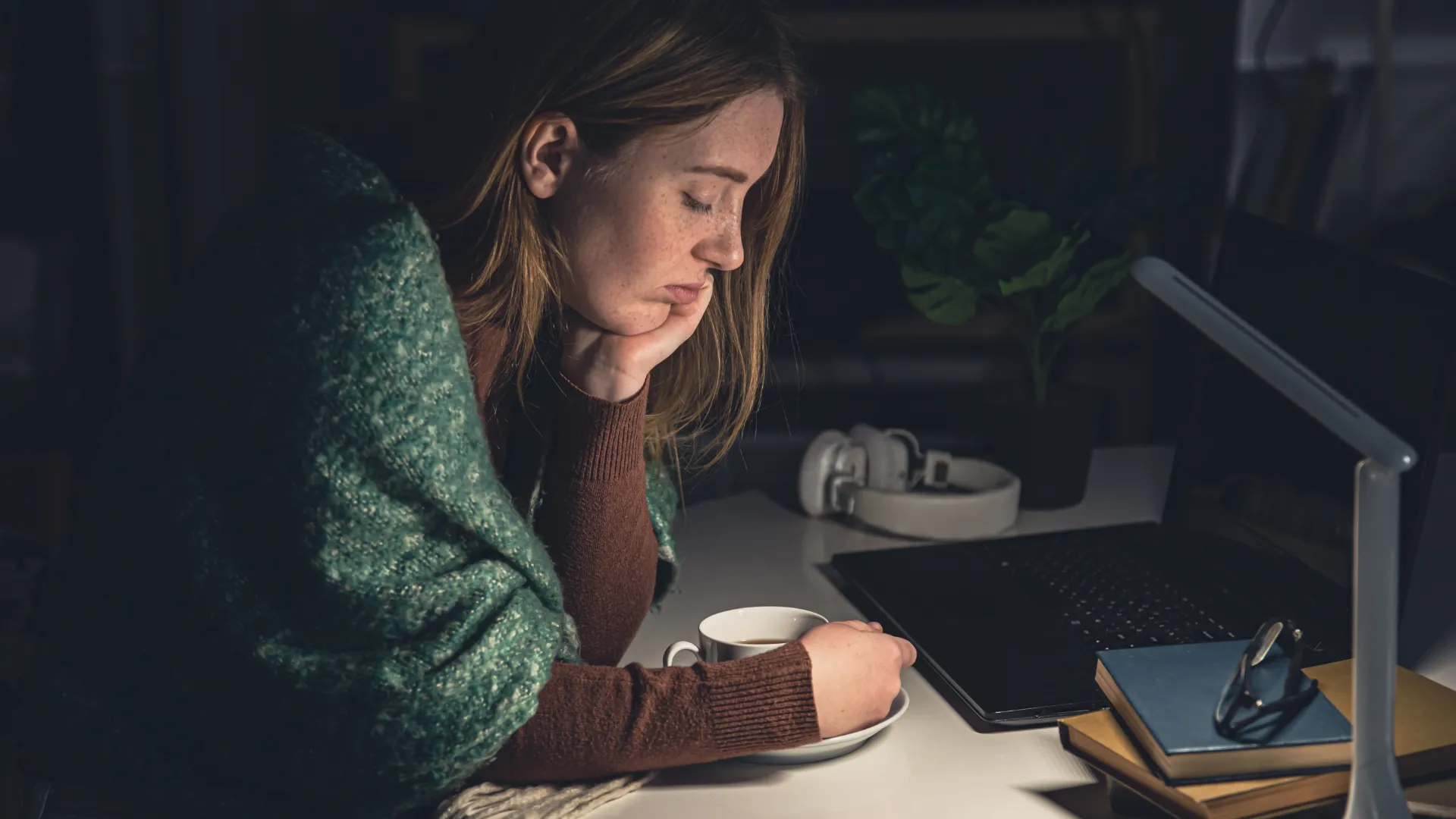
None of these changes alone can eliminate burnout, but together, they may begin to shift the environment. A senior, who wanted to remain anonymous, who balances school and activities said burnout has made everything feel rushed. “My days are basically nonstop…I go to class, go straight to practice, then go home and do homework until late.” They said college pressure makes things worse. “It feels like everything you do is supposed to matter for your future, so even small mistakes feel huge.” The student added that burnout is hard for adults to notice. “From the outside, it probably looks fine, but inside it’s really overwhelming. Just because we’re getting things done doesn’t mean we’re not burned out.”
What Students Say They Need
From national surveys and local interviews, students are consistently asking for: more understanding from teachers, more flexible deadlines, fewer high-stakes assignments, clearer communication about expectations, more breaks, realistic workload coordination, and actual, usable time to rest.
Students aren’t asking for school to be “easy”, they’re asking for school to be human.

0 Comments