
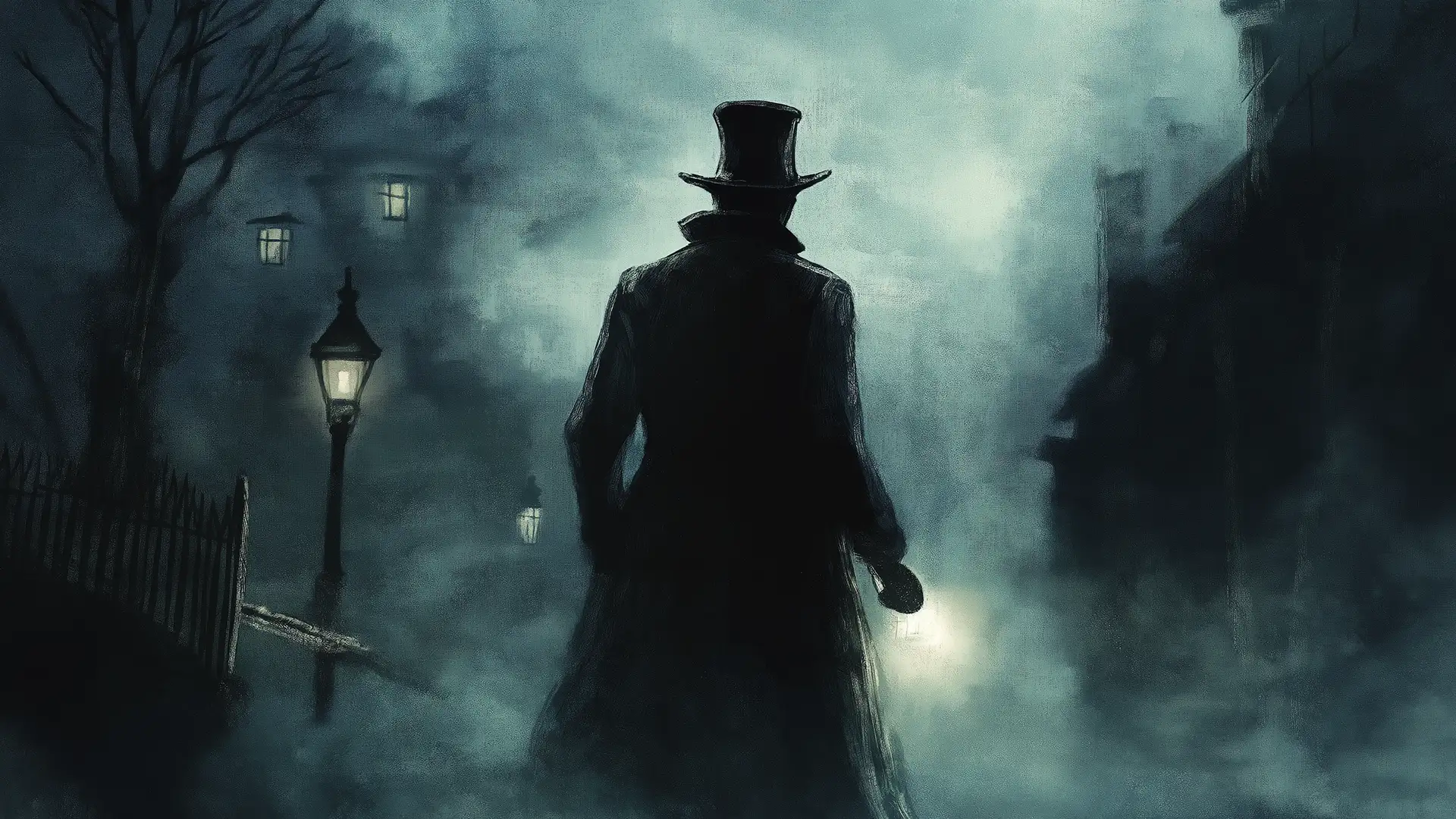
For over 130 years, the enigma—the shadow that was Jack the Ripper—haunted the streets of London and the minds of authorities and true crime enthusiasts everywhere. The long-sought identity of the brutal, maniacal killer who terrorized Whitechapel in 1888 remained an intense mystery—until now.
Thanks to modern advancements in DNA technology and newly emerging evidence, forensic experts believe they have finally identified the face behind the shadow of Jack the Ripper.
Who Was Jack the Ripper?
Between August and November of 1888, eleven confirmed victims, all women, were found dead and dismembered in the impoverished Whitechapel district of London. The killings, always committed at night, were extremely gruesome, with the victims’ bodies often missing limbs and even breasts. This macabre method of killing seemed to be the killer’s calling card, with every victim bearing clean cuts. The killer was never caught, and his identity remained a mystery that haunted the streets of Whitechapel. With no witnesses and no idea of what the killer looked like, he was given the infamous name Jack the Ripper.
Evidence from the way the victims’ bodies were mutilated and internal organs removed suggested that the killer had skill or knowledge of surgical procedures. London’s police force, Scotland Yard, received a multitude of letters from people claiming to be the killer, as well as numerous false confessions from men already in custody. Although these men were clearly not the true murderer, recent discoveries have helped to close the case.
The Breakthrough
In 2019, a study published in a forensic science journal connected the murders to a Polish-Jewish immigrant barber, Aaron Kosminski. Evidence retrieved from a shawl belonging to one of the victims was re-examined, and DNA found on the shawl was a direct match to Kosminski’s living relatives.
Aaron Kosminski
Aaron was born in Poland and immigrated to the East End of London, specifically the Whitechapel district, in the early 1880s. Kosminski was an original suspect in the Jack the Ripper case but was never officially charged. He was known to be mentally ill and unstable, and was eventually sent to Colney Hatch Lunatic Asylum after threatening his sister with a knife. At the time, there was very little evidence to prove he was guilty of the murders. He worked as a barber in a local shop in the slums and, due to the overpopulation and widespread vice in the area, was constantly surrounded by prostitutes who eventually became his prey.
The Importance
This discovery has finally brought some peace to conspiracy theorists and Jack the Ripper “fans”. While the findings have received some backlash, with critics claiming the evidence is not substantial, experts remain confident in their results. This breakthrough finally shines light on the darkness that was Jack the Ripper, providing much-needed closure after more than a century. It also demonstrates how modern science and forensic advancements can uncover truths about the distant past.
Although we may never fully uncover everything that happened on those cold nights in Whitechapel, these recent findings bring us closer to the full story. The infamous Jack the Ripper finally has a name.

0 Comments